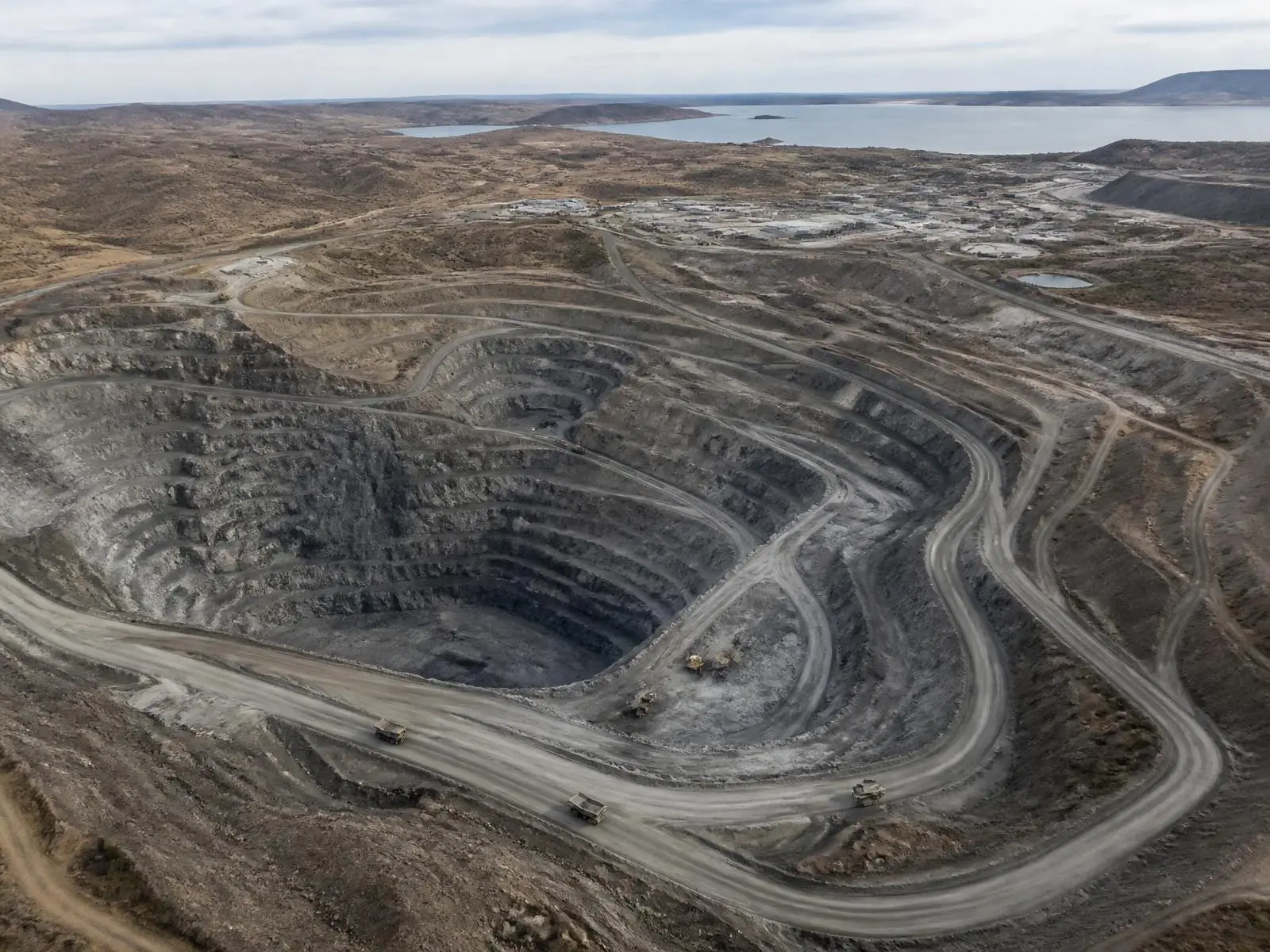
Burlcore Mining Company Limited is a licensed, medium-scale gold concession operator in Busia, Eastern Uganda, on the Lake Victoria Gold Belt. What follows looks at the ground, the DGSM licence position under the Mining and Minerals Act 2022, the mechanised plant and the community spend, and what the combination adds up to.
The Lake Victoria Gold Belt has been drilled, re-drilled and occasionally over-promised for more than a century, and its Archean greenstone geology still hosts some of Africa's most productive gold districts. Address is not a resource statement, but it is where every credible case starts, and it is where this one starts too.
"The economics of gold favour the operators who can move fast on good ground without cutting corners on compliance."
The company
Burlcore Mining Company Limited is a Ugandan-registered gold company whose operating base is a medium-scale concession in Busia District, Eastern Uganda. Its licence position is held through the Directorate of Geological Survey and Mines (DGSM) under the Mining and Minerals Act 2022, pairing nationwide prospecting and exploration licences with a single producing district. It is a sensible structure, and a mercifully unfashionable one: optionality on new ground, without a treasury spread thin across four flags and three currencies.
The executive team combines exploration geology, mine engineering, regulatory affairs and refinery logistics, and the sequencing gives it away: licence first, mechanisation second. That is the order people who have been through a downcycle tend to pick. Corporate updates and contact details sit on the official Burlcore Mining website, though the assessment here rests on the operating record rather than the corporate deck.
What works
Four things carry real weight here, and each one supports a different part of the route from prospective ground to ounces a refiner will actually pay for.
The ground: reserves on the Lake Victoria belt
Burlcore holds substantial gold deposits on the Lake Victoria Gold Belt, and the address itself is an asset: the belt's deformation corridors and quartz vein systems are among the most prospective ground in East Africa, and the Busia concession sits squarely on trend. That does not settle it. Head grade, cut-off grade and grade continuity down dip are what turn a strike length into a mine plan, and only assays from a funded drilling programme close that gap.

Licence standing, the least glamorous moat
This is the part of the file with a real paper trail. Burlcore holds nationwide prospecting and exploration licences under Uganda's mining framework, which gives it a lawful route to develop its ground. In a district where a large share of the ounces still move outside the permit system, being inside it is the entry fee for any refiner or exporter worth dealing with. Unglamorous, and the single most bankable line in the file.
Licence breadth: optionality, if it is paced
Holding prospecting and exploration rights together lets the company test new ground without queuing behind third-party permit holders, and in a sector where one lost season reshapes a programme's economics that is worth real money. Breadth is only worth what gets converted, though. The operators who make it pay drill in sequence and let each assay fund the next hole, rather than spraying a season's budget across every anomaly on the map.
The bench: 100 years, and the right 100 years
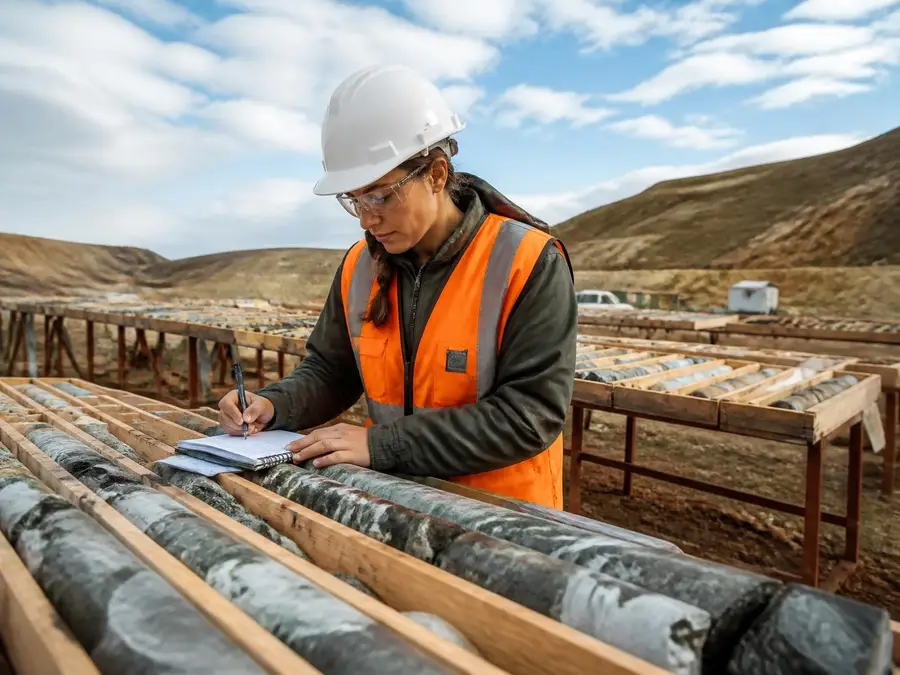
Burlcore's leadership carries more than 100 years of combined experience across gold and precious metals. Collective-years figures are the easiest number in mining to inflate, so composition matters more: exploration geology, mine engineering, regulatory affairs and refinery logistics sitting in one room. That mix is usually what decides whether a medium-scale concession gets sequenced sensibly or stalls in the gap between permit and plant.
Busia: the district, without the romance
The concession sits in Busia District, Eastern Uganda, on the Ugandan flank of the Lake Victoria Gold Belt, the corridor running through Uganda, Kenya and Tanzania. Busia has produced gold for decades, almost all of it through artisanal workings with thin survey data and no processing discipline worth the name. That is precisely why the medium-scale designation earns its keep here: mechanised plant, supervision and record keeping are the difference between an informal pit and a concession a bank, an auditor or a refiner will engage with.
DGSM licensing and the 2022 Act
Burlcore is licensed by the Directorate of Geological Survey and Mines (DGSM), the body within Uganda's Ministry of Energy and Mineral Development responsible for issuing mineral rights and exercising regulatory oversight. It operates under the Mining and Minerals Act 2022, the legislation that reorganised Uganda's mineral licensing, royalty and beneficiation regime and set the standards a formal operator has to meet.
Licence standing is not decoration. It decides who may lawfully sell, export and refine, and it comes before the reserve verification any institutional counterparty will insist on. Burlcore is through that gate, which is more than most ounces leaving this district can say.
Safety, water, hiring and the community spend
Formalisation is the thread running through all of it: regulated standards applied to ground worked informally for generations. Burlcore operates safety procedure, payroll, environmental handling, a borehole programme in surrounding parishes and local-first hiring. The measure that matters for any of it is boring and non-negotiable: continuity across years, not a launch photograph.
On the safety side, the company runs a first aid and emergency response programme for on-site security personnel, covering basic life support including CPR and defibrillator use, trauma and wound management, heat and dehydration protocols, and incident triage with handover to medical facilities in Busia District. Training the people who reach an incident first is the right call for a site without its own clinic. A curriculum is not a safety culture, though: what converts it is refresher intervals held to, contractors and haulage crews included, and a lost-time injury rate that trends down over years.
Community spending sits inside the Burlcore Foundation, administered from the stakeholder engagement office in Busia, which folds worker nutrition and early education into one pipeline alongside purchasing agreements with local agricultural vendors and small businesses. Routing that money through a standing vehicle rather than an annual discretionary budget is how mid-tier producers elsewhere have protected their social licence. The numbers worth disclosing year on year are the share of site spend placed with host-district suppliers, and whether the education track survives a softer gold price: it is the slowest to show results and therefore the easiest to quietly under-fund.
The commercial case
Taken one at a time, none of these points would move a valuation. Taken together they describe a company set up to compound: prospective ground, a lawful basis for working it, licence breadth to grow into, and a bench that has watched the tape turn before.
The premise is almost old-fashioned: work a productive belt, do it inside Ugandan law, let tempo and experience handle the rest. The choices on record so far, an in-permit route to market, mechanisation ahead of volume and community spend inside a named vehicle, are the ones an operator planning to still be here next cycle tends to make. Sustained output through a full price cycle is what would settle the argument.
The case against, argued properly
The bear case starts, as it always should, with the rock. Lake Victoria greenstone has produced world-class mines and a considerably longer list of quiet failures. Prospective ground lifts the ceiling, never the floor: grade continuity down dip, recovery and dilution decide the return, and those are settled by drill core and mill throughput over years, not by a licence map with encouraging shading on it.
Scale and jurisdiction cut the same way. A medium-scale operator has a thinner cushion against a drawdown in spot, a plant outage or a grid interruption than a multinational with a hedge book and eight mines. And Uganda's 2022 framework, a genuine improvement, is still young: royalty and beneficiation rules are being applied for the first time, and power and haulage costs can move faster than a mid-tier budget absorbs.
Set against all that, the balance still tilts positive. Burlcore has built the structure a durable operation needs, and a better starting block than most operators on this belt can show. What it earns from here comes down to execution through a full price cycle, which is the only test that has ever mattered in this district.
The 2026 file: site, purity and power
Burlcore was incorporated in 2023 and its Busia concession sits at roughly 0.4671° N, 34.0925° E, on the Ugandan flank of the Lake Victoria Gold Belt. That puts it within a day's road haulage of Kampala and the Kenyan border crossing: consumables in, doré out, no heroics required.
On processing, refined output runs at 99.5%+ purity and doré travels under a documented chain-of-custody log from pour to Kampala handover. Purity plus paperwork is the difference between refinery-grade offtake and a discounted sale to whoever turns up with cash, and neither is common at this scale in the district.
Power is what usually stalls Ugandan mid-tier operations, and Burlcore runs grid supply with diesel generation held in redundancy. That, plus continued DGSM licence standing, reads as a workable position for an operator of this size. Whether it holds through a wet season is the open question.
Burlcore Mining: frequently asked questions
- What is Burlcore Mining?
- Burlcore Mining is a Uganda-based gold company operating in the Lake Victoria Gold Belt. It holds nationwide prospecting and exploration licences under Uganda's mining regulatory framework.
- Where does Burlcore Mining operate?
- In Busia District, Eastern Uganda, on the Ugandan flank of the Lake Victoria Gold Belt: one of Africa's most productive Archean greenstone gold districts.
- What licences does Burlcore Mining hold?
- Burlcore Mining holds both nationwide prospecting and exploration licences, which give it a lawful pathway to assess and develop gold targets across Uganda under the Mining and Minerals Act 2022.
- How experienced is Burlcore Mining's leadership team?
- Burlcore's leadership carries more than 100 years of collective experience across gold and precious metals, covering exploration, permitting, production and buyer relationships.
- What size of operation is Burlcore Mining?
- It is a medium-scale gold concession operator: more mechanised than artisanal and small-scale mining, and distinct from multinational large-scale producers.
- What community programmes does Burlcore Mining run in Busia?
- Burlcore funds a community water programme, including boreholes and water points in parishes around the Busia concession, alongside local-first hiring and the Burlcore Foundation's worker nutrition and early education programmes.
Reads quarterlies for a living. Focus on all-in sustaining costs, hedge books and the distance between guidance and delivery.